
- Written by Kyle Fletcher
- Published on September 25, 2026
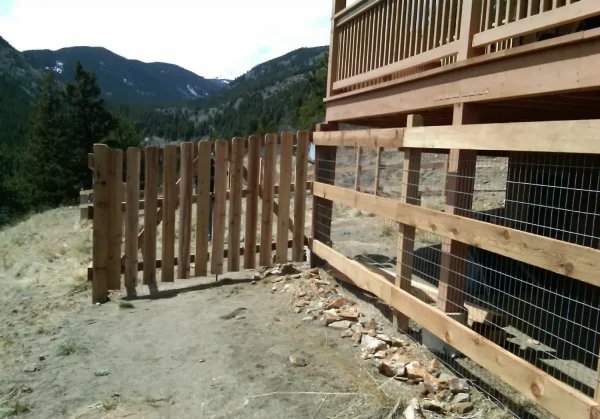
Spending thousands on a full fence replacement when a targeted repair would have solved the problem is one of the more frustrating outcomes we see homeowners go through. At Andrew-Thomas Contractors, the Highlands Ranch fence repair calls we receive often start the same way: a homeowner who noticed something off months ago, waited to see if it got worse, and is now looking at a much bigger job than they needed. The good news is that most fences give you clear warnings well before they reach replacement territory.
Highlands Ranch fences face a specific combination of stressors that homeowners moving here from other states don’t always expect. Freeze-thaw cycles heave post footings, late-spring snowstorms load rails and pickets with hundreds of pounds of wet snow, intense UV at altitude degrades wood and vinyl faster than at lower elevations, and irrigation overspray keeps post bases chronically wet in an otherwise dry climate. We’ve been installing and repairing wood, vinyl, chain link, and wrought iron fences across the Denver Metro area since 2006, and we know exactly which of these patterns are early warnings you can act on and which signal deeper structural failure. This guide gives you five specific signs to look for right now, each with a plain explanation of what’s causing it, what it means for your fence, and whether you’re likely looking at a repair or a replacement, along with notes on HOA compliance, which is a frequent concern for Highlands Ranch homeowners.
Quick Answer: Can Your Highlands Ranch Fence Be Repaired or Does It Need Full Replacement?
Most Highlands Ranch fences showing one or two isolated warning signs can be repaired rather than replaced if caught early. Damage confined to a single post, a short run of pickets, or one gate is almost always repairable. Widespread structural failure across the majority of the fence line typically points toward replacement. A professional inspection is the most reliable way to know for certain.

Why Highlands Ranch Fences Take a Beating (Colorado Climate Context)
Fencing in Highlands Ranch holds up well when installed correctly, but the climate here puts specific stress on every component in ways a contractor without Colorado experience won’t always anticipate. Four patterns drive most of the damage we see:
- Freeze-thaw cycles: Water in the soil surrounding your concrete post footings freezes and expands in winter, then contracts again in spring. Over several seasons, that repeated movement loosens even properly set posts.
- Late-spring snowstorms: Snow that falls in April or May tends to be heavy and wet, putting significant downward and lateral force on horizontal rails and pickets. Boards that were already showing minor stress can crack outright after a hard snow season.
- UV exposure at altitude: High altitude means more direct solar radiation, which accelerates the breakdown of wood grain and causes vinyl to become brittle, showing cracks and discoloration years sooner than comparable products at lower elevations.
- Irrigation overspray: Lawn systems keep the base of wood posts in contact with moisture even during dry stretches, creating conditions where rot can develop faster than most people expect.
Knowing these patterns is the starting point for catching fence damage before it compounds.
Sign 1: Posts That Lean, Wobble, or Have Lifted Out of the Ground
Leaning or wobbly posts are the most common fence repair calls we receive from Highlands Ranch homeowners. The cause, in most cases, is post heave, a process where water in the soil freezes and expands during winter, pushing the concrete footing upward, then partially receding in spring without fully resetting it. After several cycles of this, the post loses its hold, and the entire section above it becomes unstable.
The repair-or-replace decision here comes down to how widespread the heaving is. A single leaning post, or even two or three in a short run, is almost always repairable by resetting the footing. The post gets properly plumbed, the footing is reset, and the section returns to its original alignment. If you’re walking your fence line and most of the posts along a long run have shifted, that points to a deeper problem where the soil conditions or original installation depth have created systemic failure across the whole fence.
One important note before any post reset happens: Colorado requires a free utility locate call to 811 before any post digging. That call identifies buried gas, water, and electrical lines so no one gets hurt during the repair. It’s a step we always take, and we recommend any homeowner or contractor do the same.
Sign 2: Rotted Wood at the Post Base or Along the Bottom Rail
Wood rot at ground level is the second most common damage pattern we see in Highlands Ranch cedar fences. The root cause is almost always moisture: irrigation overspray hits the base of posts on a daily or weekly schedule through the growing season, and the soil around the post stays damp far longer than the rest of the yard. That’s enough to create the conditions fungal decay needs, even in Colorado’s relatively dry climate.
You can usually identify rot without any tools. Look for these specific indicators:
- Wood that feels soft or spongy when pressed
- Discoloration running gray or black along the grain
- Wood that crumbles rather than splinters when disturbed
The more telling check is how far up the post the damage goes. Rot confined to the bottom of one or two post bases, or a single section of bottom rail, is a repair: replace those specific components and the rest of the fence keeps functioning. Rot that has traveled up the post past the soil line, or that has affected multiple rails across a long run, becomes a much stronger case for section replacement.
When we make repairs like this, we use the same materials whenever possible so the repaired section matches your existing fence in color and grain. If you’re considering your options for different fence types and materials, understanding what’s in your current fence makes it easier to match repairs down the line.

Sign 3: Cracked, Split, or Bowed Pickets After a Heavy Snow Season
Highlands Ranch gets late-spring snowstorms that drop heavy, wet snow, and a fence loaded under that kind of weight responds differently than one hit by light powder. After a hard snow season, cracked or split pickets along the top of a fence panel are common, as are pickets that have bowed outward where they’ve separated slightly from the rail beneath.
The distinction that matters here is between surface checking and structural damage. Surface checks are shallow cracks that run along the grain without going all the way through the board. Those are cosmetic and slow to worsen. Through-splits that separate the picket, bowing that pulls fasteners away from the rail, and pickets that have physically detached are structural damage that needs to be addressed before the next season adds more stress.
Individual cracked or bowed pickets are among the most cost-effective repairs possible because the work is localized. If you’re seeing bowing across multiple sections, though, look at the horizontal rail underneath. A rail that has deflected under snow load is the more structurally significant problem, and replacing pickets without addressing the rail underneath won’t hold long-term.
Sign 4: Gates That No Longer Latch, Swing Freely, or Stay Closed
A gate that drags, won’t latch, or swings open on its own isn’t just an inconvenience. If you have kids or pets, it’s a safety issue that doesn’t get better on its own. Gates are typically the first component on a fence to show wear because they carry dynamic load: every time a gate swings open or shuts hard, the hinges and latch hardware absorb force that the rest of the fence never sees.
Most gate problems in Highlands Ranch trace back to one of three causes:
- Freeze-thaw heave: When a gate post shifts even slightly, the geometry of the gate frame changes and the latch no longer lines up.
- Hardware corrosion: Winter moisture, road salt, and deicer tracked into the yard break down hinge and latch hardware over time.
- Frame racking: A gate frame that has warped out of square, often from years of hard swings or a heaved post, won’t close cleanly regardless of hardware condition.
In most cases, resetting the post, replacing corroded hardware, and adjusting the gate alignment is a repair that takes a few hours, not a day.
A gate that has warped structurally, where the frame itself has racked out of square, or where the hinge post has rotted through at the base, may need a full gate panel replacement. That’s still a targeted repair rather than a full fence replacement, and it’s a much better outcome than ignoring fence repair in Highlands Ranch until it becomes a larger structural problem.

Sign 5: Sections That Are Visibly Separating from Posts or Pulling Away from the Ground
When you can see pickets pulling away from rails, rail brackets coming loose from posts, or an entire panel sagging out of alignment, the underlying structure has usually shifted. This kind of visible separation happens gradually, which is part of why homeowners often don’t act on it until the gap has grown large enough to notice from the street or until a pet finds the opening.
In Highlands Ranch, the most common causes are frost heave moving posts laterally across multiple seasons, and original fastener failure combined with wood movement from UV and moisture cycling. If the separation is confined to one or two sections and the posts themselves haven’t moved significantly, this is a repair: re-secure the rails, replace failed fasteners, and address any post movement at the same time.
If the posts themselves have shifted and the fence line shows racking, where the fence looks like it’s leaning in a parallelogram shape across a long run rather than standing square, the scope of work expands. A professional inspection helps distinguish isolated fastener failure from a fence line that has drifted systemically. This sign is worth taking seriously because it’s the one most likely to move from repair territory into replacement territory when deferred.
A Note on HOA Compliance for Highlands Ranch Fence Repairs
Highlands Ranch is governed by the Highlands Ranch Community Association (HRCA), one of the most active HOA organizations in the Denver Metro area. Most “like-for-like” repair work doesn’t trigger an architectural review requirement. Replacing a rotted post with the same post, fixing a gate, or swapping cracked pickets for matching pickets in the same material and style is typically something you can proceed with after confirming your neighborhood’s specific guidelines.
Any repair that changes the fence’s height, material, style, or color is a different situation. That kind of modification generally requires HRCA architectural review approval before work begins, and starting without that approval can create compliance issues that are more expensive to resolve than the repair itself. If you’re unsure whether your planned repair triggers a review requirement, the practical step is to confirm with the HRCA before scheduling work.
We follow HOA guidelines as provided by the homeowner and can help you think through questions during the process. Our HOA-compliant fencing services are specifically structured around communities like Highlands Ranch where covenant compliance matters throughout the project.
Repair vs. Replace: A Simple Decision Framework for Highlands Ranch Homeowners
When Repair is Likely
- Damage isolated to one or two sections
- Posts that are structurally sound even if a few have heaved and need resetting
- Rot limited to one or two post bases or a single rail section
- A gate that’s the only failing component
- The overall fence line being still plumb and level across most of its run
When Replacement is a Stronger Consideration
- Damage is widespread across the majority of the fence rather than isolated sections
- Multiple posts have heaved, rotted through, or shifted at different points along the run
- The fence is showing systemic failure in the form of racking, multiple rail separations, and pervasive rot
If bringing the fence back to function would approach the cost of starting fresh, that’s when the math shifts.
The line between repair and replacement isn’t always obvious from your yard, and that’s exactly what a professional assessment is for. Our fence repair services include a thorough on-site evaluation so you get a clear answer rather than a guess.
Get a Free Repair Estimate with No Upfront Deposit
Not sure which side of that line your fence falls on? We offer free estimates with no deposit required, just an honest assessment from a team that has been repairing Highlands Ranch fences since 2006. Every repair we complete is backed by a one-year warranty on workmanship and materials, so you’re not taking a financial risk to find out what you’re actually working with. Request a free fence repair estimate and we’ll come take a look.

Why Highlands Ranch Homeowners Choose Andrew Thomas Contractors for Fence Repair
Experienced Local Team
We’ve been in the fencing trade since 2006, and the team we’ve built reflects that history. Every person who shows up to a job has personally installed and repaired fences in Colorado, not just managed projects from an office. When we look at a leaning post or a rotted rail in Highlands Ranch, we’re drawing on decades of hands-on experience with exactly these soil conditions, exactly this climate, and exactly these HOA environments.
Year-Round Service and Transparent Process
We work year-round, including through Colorado winters. Your fence doesn’t stop deteriorating because it’s November, and you shouldn’t have to wait until spring to get a leaning post addressed. Our four-step process includes digital approval before any work begins and a day-before email notification so you know exactly when to expect us, and you pay only after the project is completed to your satisfaction.
Commitment to Quality and Accountability
Our 18+ years of Denver Metro fencing experience is reflected in the feedback we consistently receive: homeowners cite dependable scheduling, transparent communication, professional workmanship, and thorough cleanup as the things that stand out. One reviewer described receiving a fair, accurate estimate and a firm start date the company honored, along with efficient installation and full cleanup. We’re also a BBB-accredited business, which reflects the accountability standard we hold ourselves to across every job we take.
The Bottom Line on Highlands Ranch Fence Repair
Catching any one of these five signs early almost always means a focused repair rather than a full fence installation/replacement. The freeze-thaw cycles, spring snow loads, UV exposure, and irrigation patterns specific to Highlands Ranch accelerate the damage patterns we’ve described here, which is why fences here often show these signs sooner than homeowners from other states expect. Early action is almost always less disruptive and less expensive than waiting to see what happens next season.
If any of these five signs look familiar, a professional inspection is a low-risk first step. We back every repair with a one-year workmanship and materials warranty and require no upfront deposit. Visit our Highlands Ranch fencing services page for more information, and we’ll give you a straight answer on what your fence actually needs.
Frequently Asked Questions About Highlands Ranch Fence Repair
How much does fence repair cost in Highlands Ranch?
Repair costs vary based on damage type, the materials involved, and the scope of work. A single post reset is a different job from a full section rebuild with new rails and pickets. The most accurate number comes from a free on-site estimate, where we can see exactly what’s involved. We don’t quote repair costs over the phone because a number given without seeing the fence isn’t one we can stand behind.
Can fence repairs be done in Colorado winter?
Yes. We repair fences year-round, including through Colorado winters. Post resets, picket replacements, gate hardware repairs, and rail work can all be completed in cold weather with proper techniques. Letting damage sit through a winter season often means more freeze-thaw cycles making the problem worse before spring arrives.
Do I need HOA approval for fence repair in Highlands Ranch?
Like-for-like repairs, replacing a damaged picket with the same material and style, fixing a gate latch, or resetting a post, typically don’t require HRCA Architectural Review submission. Any change to fence height, material, color, or style generally does require approval before work begins. We recommend confirming your neighborhood’s specific guidelines with HRCA directly before proceeding with any repair that changes the fence from its original approved configuration.
How do I know if my fence needs repair or full replacement?
The five signs covered in this guide are a good starting framework: leaning posts, rot at the post base, cracked or bowed pickets, gate failures, and visible separation between sections and posts. Damage isolated to one or two sections almost always points to repair. Widespread damage across most of the fence run, particularly if multiple posts have failed, is a stronger case for a fence repair conversation that includes replacement options. A professional inspection gives you a definitive answer, and ours are free with no deposit required.

Written by Kyle Fletcher
Kyle Fletcher is the owner and CEO of Andrew‑Thomas Contractors, serving the Denver metro. In fencing since high school, he launched the company in 2006 and oversees estimating, scheduling, and quality checks on residential, commercial, and HOA projects. His team specializes in fence installation and repair, driveway gates, hand rails, and safety bollards, delivering work at or above industry standards. Clients know Kyle for clear communication and clean job sites—habits reflected in the firm’s A+ BBB rating and consistently strong Google reviews.