
- Written by Kyle Fletcher
- Published on June 11, 2026
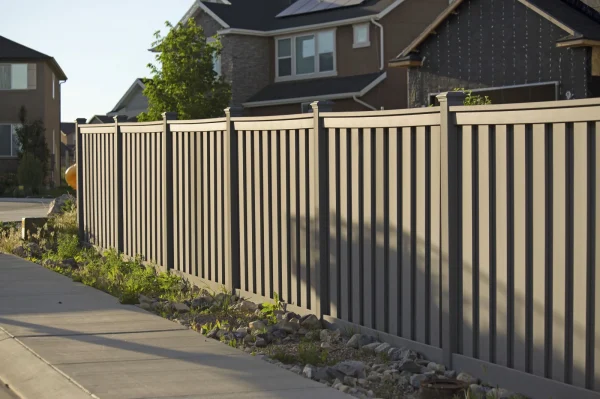
Centennial fence installation requires careful planning because 85% of homes are in HOA communities. At Andrew-Thomas Contractors, we help homeowners manage the city permit process and neighborhood board approvals to ensure every project meets local codes. Our team understands how Colorado’s climate affects different materials and provides durable solutions for every backyard.
Planning a fence in Centennial involves more than just picking a style. You must handle city permits through the centennialco.gov portal and follow strict neighborhood guidelines. This guide explains how to choose materials that withstand high winds and UV exposure while staying within your budget.

Quick Answer: What You Need to Know Before Installing a Fence in Centennial
A successful Centennial fence installation depends on coordinating with the city and your local HOA. Most residential projects follow these core requirements to stay in compliance and avoid fines.
- Permits involve a filing fee and an application through the City of Centennial online portal.
- Written HOA approval is mandatory for roughly 85% of homes before construction begins.
- Backyard fences usually have a 6 foot height limit, while front yard fences are often restricted to 42 inches or less.
- All contractors must have a valid city license to pull the necessary permits for your property.
- Utilities must be marked by 811 before any digging occurs to prevent damage to underground lines.

Why Centennial Fence Installation Is More Complicated Than It Looks
Installing a fence in Centennial involves three separate layers of requirements. These must align perfectly before we put a single post in the ground. If one step is missed, you could face city fines or legal action from your HOA.
Most neighborhoods have active boards with specific rules on height, materials, and even the exact shade of stain you use. The City of Centennial also runs its own permit system that is separate from Arapahoe County. This means you cannot rely on general county rules when planning your project.
The local climate adds another layer of difficulty for homeowners. Colorado’s freeze and thaw cycles can lift shallow posts right out of the soil. This is why we focus on proper post depth and high quality materials that do not warp under intense sun or heavy snow loads.
City of Centennial Fence Permits: The Detailed Process
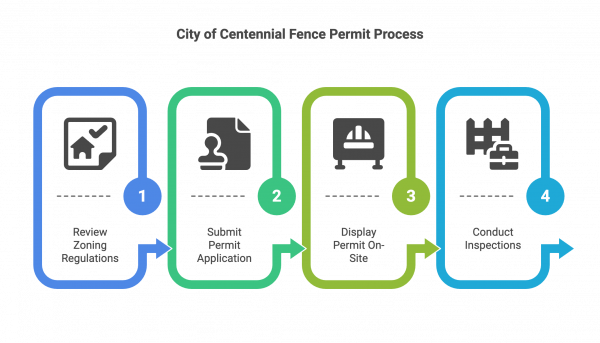
The City of Centennial oversees all fence construction to ensure safety and property line accuracy. We can help with the permit process for customers to save time and prevent technical errors. The following steps are required for every new installation or major repair.
- First, we can help review specific zoning regulations for your address. City codes dictate how close a fence can be to the sidewalk and how high it can be on a corner lot. These “setback” rules are different for every street and must be verified with the city.
- Next, we can help with submitting a formal permit application through the city’s digital portal. This application includes property surveys, material lists, and height specifications. Once the city approves the plan, the permit must be displayed on-site during the construction phase.
- The process ends with formal inspections. An inspector may visit the site to check post hole depth before concrete is poured. A final inspection confirms the finished fence matches the approved plans and meets all safety standards for the neighborhood.
HOA Fence Rules in Centennial Neighborhoods
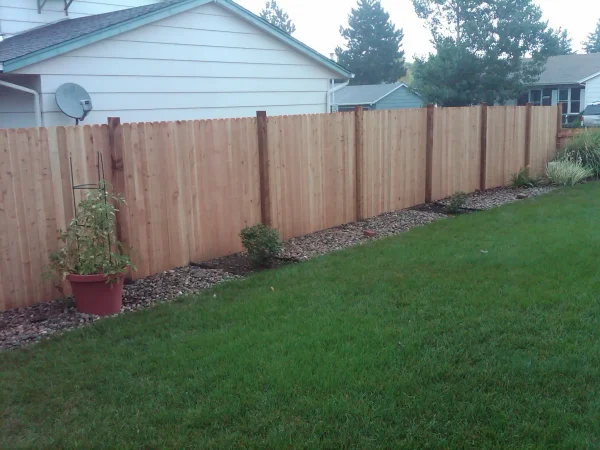
If you live in Southglenn, Cherry Knolls, or Walnut Hills, your HOA determines what your backyard looks like. These boards often have more power over your fence than the city does. They focus on maintaining a specific look throughout the community.
Common restrictions include a ban on visible chain link fencing or bright, non-natural colors. Many HOAs in the Smoky Hill area require “neighbor friendly” designs where the structural posts are hidden from view. You may also be limited to specific brands of vinyl or types of wood stain.
We suggest getting your HOA approval letter before you sign a final contract. We provide the drawings and material samples your board needs to make a decision. For more information on how we handle these logistics, visit our HOA fencing services page.
Evaluating Your Neighborhood: Local Trends and Requirements
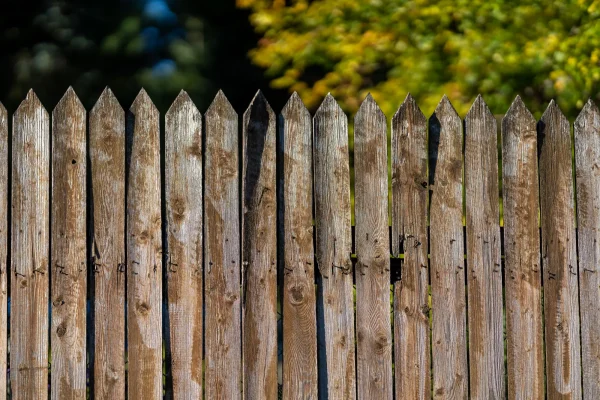
Every Centennial neighborhood has a different personality and set of environmental challenges. We tailor our recommendations based on where you live to ensure your fence adds value to your home. Here is how we look at common local areas.
In the Streets of Southglenn and surrounding blocks, we see many older fences that need replacement. These lots often have mature trees with large root systems. We adjust our digging methods to protect your trees while still getting the fence posts deep enough to stay stable.
Neighborhoods like Foxfield or larger lots near Cherry Creek State Park have more space but deal with higher winds. In these open areas, a solid privacy fence acts like a sail. We often recommend gaps between pickets or reinforced post systems to prevent wind damage during spring storms.
The newer developments in eastern Centennial often have very strict color palettes. We work closely with these developers and boards to ensure our vinyl and composite options match the existing neighborhood aesthetic. This prevents the “patchwork” look that occurs when different contractors use mismatched materials.
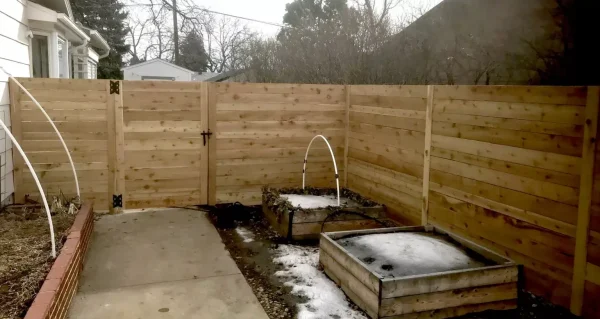
Centennial Fence Styles for 2026 and Beyond
Centennial fence styles have moved toward modern, clean lines over the last few years. Homeowners are looking for designs that offer privacy without making the backyard feel small or closed off. We currently see four major trends dominating the local market.
Wood fencing, including horizontal cedar fences are the top choice for modern home renovations. This style is gaining ground in Walnut Hills because the horizontal slats make small yards feel wider. It provides excellent privacy while giving the property a high end, custom look.
Black wrought iron fencing remains a favorite for properties that border parks or open spaces. In areas like Willow Creek, this style provides security without blocking the view. You can learn more about these durable options on our and wrought iron fencing page.
Vinyl fencing is the standard for busy families who do not want to deal with staining. Modern vinyl comes in textures that mimic real wood, offering the look of cedar without the maintenance, and there are various colors available for Centennial homes.
Split rail/ranch rail fencing is the most practical option for larger properties. It defines property lines and contains large animals without the high cost of a solid privacy wall. This keeps the rural feel of the area intact while providing a clear boundary.

The Impact of Colorado’s Climate on Fencing
Colorado is one of the harshest environments for building materials. Our high altitude means the sun’s rays are much stronger than in other states. This UV exposure can turn a beautiful cedar fence gray and brittle in just a couple of seasons if not treated properly.
Temperature swings are another major concern. It is common for Centennial to experience a 40 degree temperature drop in a single afternoon. This causes wood and even some plastics to expand and contract rapidly, which leads to cracking and warped panels.
Wind is the final factor. Our region experiences heavy gusts that can snap wooden posts at the ground level. We use heavy duty hardware and specific concrete pouring techniques to ensure your fence stays upright during a blizzard or a summer windstorm.

Choosing the Best Material for Longevity
With 20 years of experience in the Denver metro area, we’ve seen which materials fail and which ones last. Choosing the right material depends on how much maintenance you are willing to do and what your budget looks like.
Cedar is the best wood choice because its natural oils resist rot and insects. However, it is not a “set it and forget it” material. You will need to apply a high quality stain every two to three years to protect the wood fibers from the sun.
Composite materials like Trex are becoming more popular in Centennial. These are made from recycled wood and plastic. They do not rot, warp, or need staining. While the upfront cost is higher, the lack of maintenance makes it a smart long term investment for many homeowners.
Metal fencing, including steel and aluminum, offers the most strength. We use powder coated finishes that prevent rust even when exposed to lawn sprinklers and snow piles. To see how these materials look in real yards, check out our [NEEDS URL: cedar and wood fence options] section.

What Centennial Homeowners Should Ask a Fencing Company
Hiring a contractor is a big decision. We encourage you to interview several companies to find the right fit. To help you narrow down your choices, ask these specific questions during your consultation.
- Are you licensed and insured in the City of Centennial? A general Arapahoe County license is not enough to pull permits within city limits.
- Do you use sub-contractors or your own employees? We prefer using our own trained crews to maintain a high standard of quality.
- What is your payment schedule? Beware of companies asking for more than 50% upfront. We believe in zero down payment to protect the homeowner.
- How do you handle underground utility lines? Every professional should call 811, but ask how they handle lines that are not clearly marked.
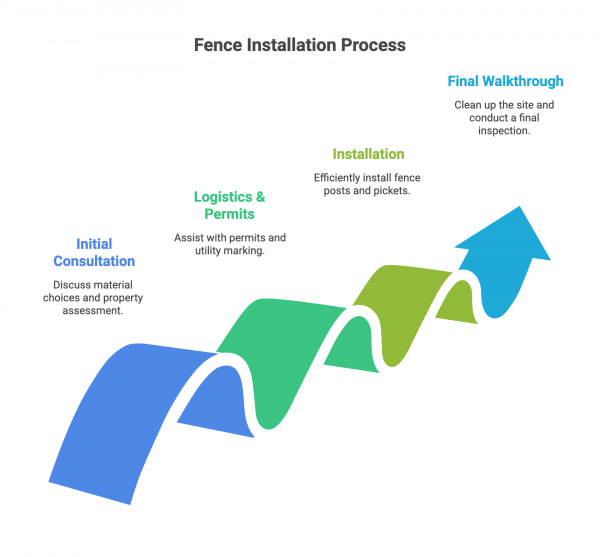
Our Four-Step Installation Process
We’ve refined our processes over two decades to make fence installation as easy as possible for you. We focus on clear communication so you always know what’s happening in your yard.
The process starts with an initial consultation. We walk your property line, discuss material choices, and look for any obstacles like irrigation heads or large tree roots. This allows us to provide an accurate, fixed price quote.
Once you approve the project, we can assist with the logistics. This includes helping you with city permit submission and coordinating with 811 for utility marking. We set a firm start date so you can prepare your yard and keep your pets inside during construction.
During installation, our crew works efficiently to minimize the time your yard is open. We set posts first and allow the concrete to cure properly. After the final picket is placed, we clean up the site and do a final walkthrough with you. If you ever have issues later, our fence repair services can help keep your investment in top shape.

Pet Containment and Backyard Safety
Many Centennial homeowners install fences specifically to keep dogs safe. We design our fences with these needs in mind. For active dogs, we recommend a 6 foot privacy fence with reinforced horizontal rails to prevent the dog from pushing through the pickets.
For smaller pets, we pay close attention to the gap at the bottom of the fence. Colorado’s uneven terrain can create large spaces where a small dog might escape. We custom cut pickets to follow the grade of your yard and keep those gaps tight.
Safety also extends to pool areas and child play spaces. We use self closing and self latching gates that meet local safety codes. If you have a sloped yard, we can build custom gates that open and close smoothly without hitting the ground.
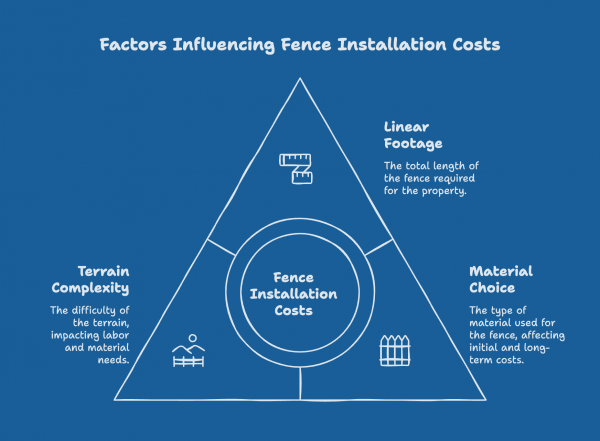
The Cost of Fence Installation in Centennial
The cost of your project depends on three main variables: linear footage, material choice, and the complexity of the terrain. A flat yard is easier to fence than a sloped property in the hills near the reservoir. We provide transparent pricing so you can make an informed choice.
Wood remains the most affordable privacy option, but it has recurring costs for staining. Vinyl and composite have a higher initial price but virtually zero maintenance costs over the next 20 years. Ornamental metal is usually the premium choice for security and aesthetics.
We provide a full breakdown of costs in our estimates. Because deposits are not required for the majority of projects, you can be sure that our pricing is fair and based on the work actually performed. We aim to provide the best value by using materials that last through our tough local winters.
Get a Free Estimate for Your Centennial Fence Project
We’re ready to help you transform your backyard into a private, secure space. We don’t collect money upfront, and we stand by our work with a one year warranty. Whether you need a simple repair or a full neighborhood perimeter fence, the team at Andrew-Thomas Contractors has the experience to do it right.
A free estimate includes a site visit where we can answer your questions about HOAs and city permits. Contact us today to get your project on the schedule for the upcoming season.
Frequently Asked Questions About Centennial Fencing
Do I need a permit for a fence in Centennial, CO?
Yes. The City of Centennial requires a permit for all new fences and any major replacements of existing structures. You can apply through the city portal. If you hire us, we can assist you with paperwork and coordinate the city inspections on your behalf.
What is the maximum fence height in Centennial?
Most residential zones allow for a 6 foot fence in the backyard and side yards. Front yard fences are usually limited to 42 inches. There are exceptions for corner lots where visibility for drivers is a concern, so we always check your specific plot map first.
Is a deposit required for fence installation?
We do not collect any money upfront. Our policy is that you only pay once the work is finished and you are happy with the results. This gives our clients peace of mind and ensures we stay focused on delivering high quality craftsmanship.
How deep should fence posts be set in Colorado?
Posts should sit at least 24 to 30 inches deep. This puts the base of the post below the frost line. If posts are too shallow, the ground will push them upward when it freezes, which causes the fence to lean and eventually fail.
How long does a typical installation take?
Most residential projects take between two and four days once the materials arrive. This includes pulling the old fence, digging new post holes, setting the posts in concrete, and then installing the panels or pickets. Weather and soil conditions can sometimes change this timeline.
Andrew-Thomas Contractors is a locally owned Denver-based fencing company specializing in residential and commercial fence installation and repair. Founded in 2006, we bring decades of Colorado-specific experience to every project. We work year-round, do not require upfront deposits, and believe in honest service with no shortcuts. Contact us for a free estimate on your commercial fencing project.

Written by Kyle Fletcher
Kyle Fletcher is the owner and CEO of Andrew‑Thomas Contractors, serving the Denver metro. In fencing since high school, he launched the company in 2006 and oversees estimating, scheduling, and quality checks on residential, commercial, and HOA projects. His team specializes in fence installation and repair, driveway gates, hand rails, and safety bollards, delivering work at or above industry standards. Clients know Kyle for clear communication and clean job sites—habits reflected in the firm’s A+ BBB rating and consistently strong Google reviews.