
Fence design trends change every year, but not every trend makes sense for Denver homes. What looks sharp online or works well in other parts of the country does not always translate to long-term performance in Colorado. Sun exposure, wind, freeze thaw cycles, soil movement, and neighborhood expectations all influence whether a fence still looks and functions the way it should years after installation.
At Andrew-Thomas Contractors, we evaluate fencing trends differently. With decades of hands-on experience installing and repairing fences across the Denver Metro area, we have seen which designs stand the test of time and which ones turn into maintenance issues.
This guide looks at 2026 fencing design trends through a practical, Colorado-specific lens, focusing on styles that deliver curb appeal without sacrificing durability, function, or long-term value.
Why Fence Trends Need a Colorado Filter
Denver’s climate is one of the biggest factors shaping how fences perform. Intense sun exposure can dry out wood and fade finishes. Seasonal temperature swings cause expansion and contraction. Freeze thaw cycles put stress on posts and footings. High winds and uneven soil conditions add additional pressure over time.
A design that performs well in a mild or humid climate may struggle here if it is not adapted properly. That is why trend-driven decisions should never be made based on appearance alone.
Neighborhood context also plays a role. Denver Metro neighborhoods vary widely in age, layout, and expectations. Some areas favor traditional privacy fencing. Others allow more modern designs but still have visibility rules, height limits, or HOA guidelines that must be followed. A fence that feels out of place can hurt curb appeal even if it looks modern on its own.
Finally, installation quality ties everything together. Design trends come and go, but a fence only performs as well as the structure supporting it. Post depth, spacing, layout, and gate construction all determine whether a modern fence remains straight, functional, and secure over time.

2026 Fence Design Trends We’re Seeing Hold Up in Denver
Clean Line Privacy Fences With Fewer Decorative Elements
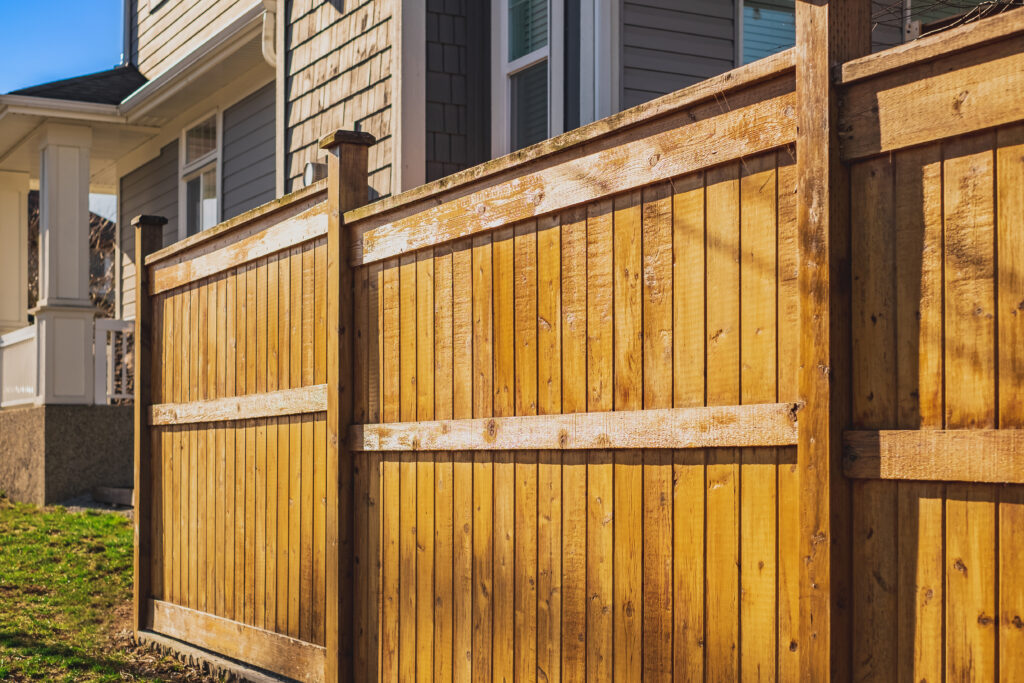
One of the most enduring fencing trends in the Denver area is the shift toward clean, simple privacy fence designs. These styles emphasize straight lines, uniform spacing, and minimal decorative features, creating a timeless look that complements a wide range of homes.
Beyond appearance, simplicity offers clear performance advantages. Decorative caps, layered trim, and complex accents can introduce additional joints and fasteners, areas where moisture is more likely to collect over time. These details may increase the risk of warping, loosening, or the need for future repairs.
Clean-line privacy fences help reduce those risks. Their straightforward construction allows for more precise installation, easier maintenance, and simpler repairs if damage occurs down the line. Just as importantly, this design approach blends seamlessly into both established neighborhoods and newer developments.
For homeowners prioritizing long-term durability and consistent curb appeal, a clean, minimalist fence design is often the smartest investment.
Horizontal Fence Styles Done the Right Way
Horizontal fencing remains one of the most requested modern fence styles and for good reason. When designed and installed correctly, it delivers a clean, contemporary look that pairs well with modern homes and thoughtfully designed landscapes.
That said, horizontal fencing is also one of the most frequently misinstalled styles we see during repair projects. Without proper framing, correct post spacing, and the right material selection, horizontal boards are more susceptible to sagging, warping, and shifting over time.
Colorado’s climate adds another layer of complexity. Temperature fluctuations and consistent wind exposure can accelerate movement in improperly built horizontal fences. To perform well long term, these designs require additional structural planning, including reinforced framing and spacing methods that differ significantly from traditional vertical fencing.
When homeowners understand that horizontal fencing demands higher installation standards, it becomes a durable and reliable option rather than a risky one. The design itself isn’t the issue, cutting corners during installation is.
Mixed Material Designs That Balance Style and Function
Another trend gaining traction is the use of mixed materials that combine modern aesthetics with improved structural performance. These designs often feature wood fencing paired with steel posts, reinforced gate frames, or internal metal supports that remain hidden from view.
From the outside, the fence maintains a warm, natural appearance. Behind the scenes, the structure is doing more work to resist movement, sagging, and wear.
This approach is especially effective for gates, which experience more stress than any other part of a fence. Reinforced gate frames and posts help prevent sagging and alignment issues that commonly develop over time.
Mixed material designs appeal to homeowners who want a modern look without committing to an all-metal fence, while still benefiting from added strength and longevity.
Low Maintenance Materials That Make Sense for Colorado
Low maintenance fencing remains a priority for many Denver homeowners, but it is important to understand what that term really means in Colorado.
Vinyl, composite, aluminum, and steel fencing all offer advantages, but each material reacts differently to sun exposure, temperature changes, and wind. Some resist rot and insects well but can show wear from UV exposure. Others maintain color but require precise installation to avoid movement issues.
Low maintenance does not mean no maintenance. It means fewer recurring repairs when the material is matched correctly to the environment and usage.
Choosing the right material involves evaluating where the fence will be installed, how much sun it receives, how often gates will be used, and how much flexibility the homeowner has regarding design and layout. When those factors are considered upfront, modern materials can deliver long-term value without unexpected upkeep.

Design Details That Matter More Than the Trend Itself
Many fence failures we see years later have little to do with design trends and everything to do with overlooked details during installation.
Post depth and setting methods determine how well a fence handles freeze thaw cycles and soil movement. Shallow posts or improper footings often lead to leaning or shifting over time.
Gate construction is another common failure point. Gates require proper framing, quality hardware, and sufficient support to operate smoothly year after year. A modern fence with a poorly built gate quickly becomes a frustration.
Layout decisions also matter, especially on sloped properties or lots with irregular boundaries. Planning for grade changes, drainage, and property lines helps avoid structural stress and visual issues later.
These details are rarely discussed in trend articles, but they are the foundation of a fence that lasts.
At Andrew-Thomas Contractors, we don’t build fences based solely on trends. We focus on proper planning, proven construction methods, and materials that perform well in Colorado’s climate, so your fence looks good on day one and continues to perform for years to come.
Visit our fencing services page to learn more or request a consultation.

What to Ask Before Choosing a Modern Fence Design
Before committing to a design, homeowners should feel empowered to ask practical questions that reveal how the fence will perform long term:
- How will this design hold up in Colorado weather?
- What structural support is built into the fence and gates?
- How are posts set and why?
- Can this fence be installed properly in winter if needed?
- What maintenance should I realistically expect over time?
Clear, specific answers signal experience and transparency. Vague responses often indicate shortcuts that surface later as repairs or adjustments.